Previous

Your child has been coughing for three days. The fever comes and goes, appetite is lower than usual, and suddenly you’re wondering, “Should I wait another day or see a doctor?”
That’s a situation we hear from parents often. And honestly, knowing when to visit a pediatrician can prevent both unnecessary panic and unnecessary delay.
A pediatrician is not only for serious illnesses. They can help with everyday childhood problems, track development, guide vaccinations, and spot concerns before they become bigger issues.
You don’t have to wait until your child looks seriously unwell.
A pediatrician can be consulted for recurring fever, cough, breathing difficulty, stomach problems, vomiting, diarrhoea, allergies, skin rashes, poor appetite, frequent infections, sleep problems, or concerns about weight and height.
For babies, even small changes can deserve attention. Poor feeding, unusual sleepiness, repeated vomiting, breathing changes, or fewer wet diapers are reasons to speak with a doctor promptly.
One common mistake parents make is visiting a pediatrician only when the child is sick.
Our experience is different. Routine visits allow doctors to monitor height, weight, nutrition, development, vision, hearing, vaccinations, and age-related milestones.
The American Academy of Pediatrics' 2024 recommendations continue to emphasise preventive pediatric care and age-based health supervision rather than treating illness alone. (American Academy of Pediatrics)
A good pediatrician looks at the bigger picture.
Apart from common infections, they can guide parents about nutrition, immunity, growth, puberty, behavioural concerns, developmental delays, school-related health problems, and emotional well-being.
This becomes especially useful when a child seems “fine” physically but something about their growth or behaviour has changed.
One of our clients came in because their young child was eating very little and seemed smaller compared with other children of the same age. The parents initially assumed it was simply picky eating.
After assessing the child's growth pattern, diet and overall health, the concern became much clearer. Instead of randomly adding supplements, the family received practical dietary guidance and follow-up monitoring.
That is often what good pediatric care looks like: understanding the reason instead of treating only the visible symptom.
Parents are often told to “wait a couple of days” because children get sick frequently.
Sometimes that's reasonable. But it shouldn't become a blanket rule.
A child with mild symptoms who is active, drinking fluids and recovering may not need an immediate consultation. However, persistent or worsening symptoms, breathing trouble, dehydration, unusual drowsiness, seizures, severe pain or a very young baby with concerning symptoms should not be brushed aside.
In children, the pattern and overall behaviour can matter as much as the temperature on the thermometer.
A 2024 AAP study found that 98.1% of surveyed primary-care pediatricians reported screening or monitoring children for developmental delays, showing how much pediatric care extends beyond treating infections. (American Academy of Pediatrics)
Globally, child health also remains a major concern. WHO reported that an estimated 4.9 million children under five died in 2024, with many deaths linked to preventable or treatable conditions. (World Health Organization)
The lesson isn't to scare parents. It is to encourage timely, appropriate medical care.
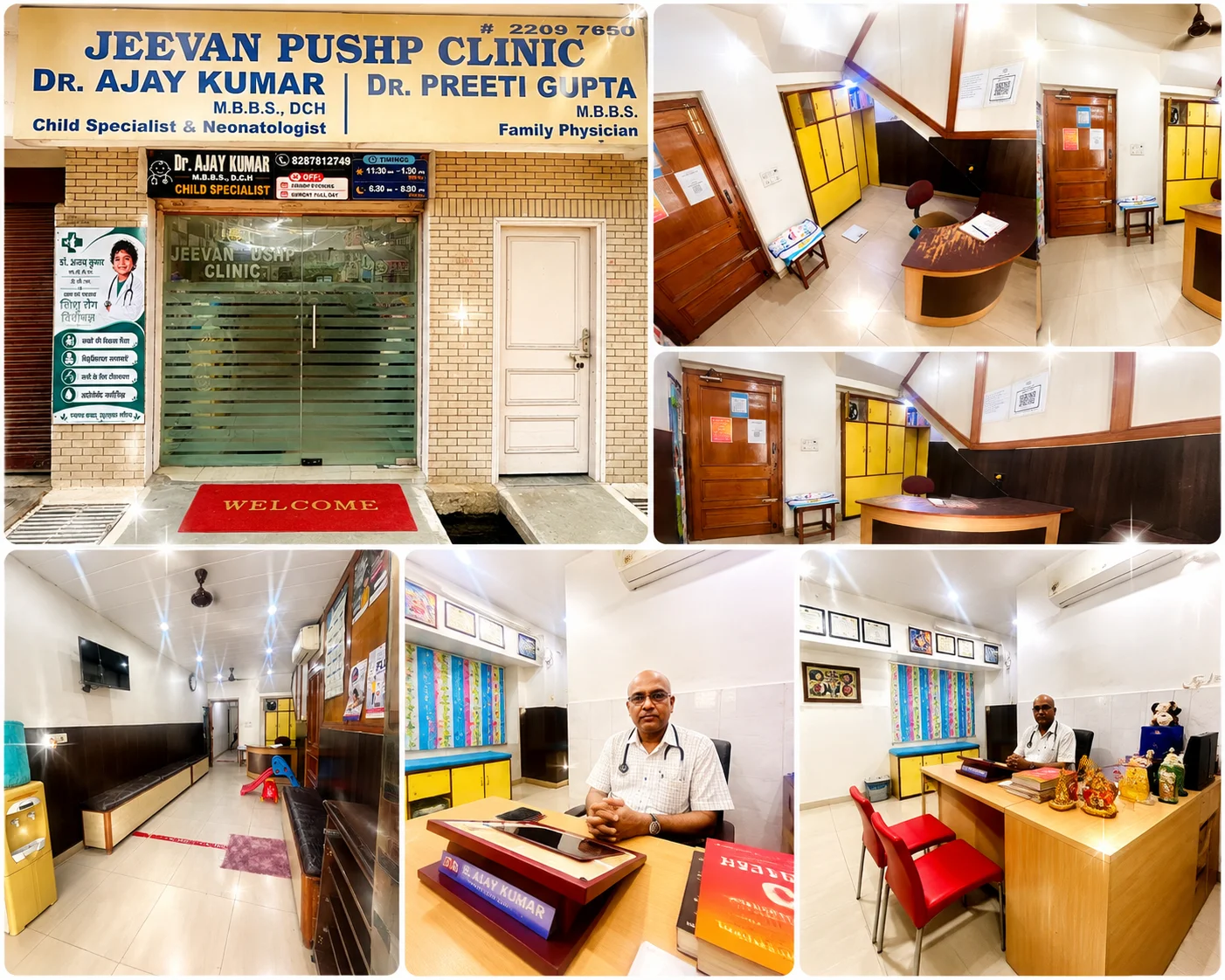
At Jeevanpushp Clinic, the focus is not simply on prescribing medicine and sending a child home. The aim is to understand the child's symptoms, growth, nutrition and overall development, while helping parents make practical decisions about their child's health.
See a pediatrician for persistent or worsening symptoms, breathing problems, dehydration, repeated infections, poor growth, feeding difficulties, developmental concerns or unusual behaviour.
Children benefit from age-appropriate preventive check-ups, even when they appear healthy. These visits help track growth, development, vaccinations and other health needs.
Not every mild fever requires an immediate visit. However, age, duration, associated symptoms and your child's overall behaviour matter. If the child looks unusually unwell or symptoms worsen, consult a pediatrician.
Parents know their children better than anyone. If something feels different from your child's usual behaviour, don't ignore that instinct.
If you're looking for the Best Pediatrician in Krishna Nagar, speak with our team at Jeevanpushp Clinic and arrange an appropriate consultation for your child rather than trying to manage recurring concerns on your own.